



How to choose the right packaging for your cosmetic product: making the optimal decision

In cosmetic product development, the packaging is often as important as the product itself. It is not simply a matter of protecting the formulation, but of how your brand speaks to its customers. The right packaging is decisive for a product's functionality, its appeal, and how well it holds up over its shelf life. So how do you choose packaging that answers both the needs of your product and the expectations of your customers?
The product type determines the packaging
The first step in choosing packaging is to understand the specifications of your cosmetic product. Is it a serum, a cream, a shampoo, or a colour cosmetic? Different products call for different pack formats and materials. Fluid products such as lotions and shampoos perform best in glass or plastic bottles, while creams keep better in jars or tubes.
For sensitive formulations — natural serums, or products made without preservatives — packaging with enhanced hygienic protection matters especially. An airtight pack keeps bacteria out and extends the product's shelf life.
Your target audience and your packaging
Beyond function, packaging is a reflection of your brand, and it has to meet the expectations of your target audience. If you are aiming at the luxury market, considered packaging in high-quality materials is essential. Elegant glass bottles, aluminium containers, and glass jars are an excellent choice for premium products.
If your brand speaks to environmentally conscious consumers, choosing eco-friendly materials matters. Biodegradable or recycled packaging, and a restrained approach to the design, leave a good impression with these buyers. Quality plastics, recycled aluminium, and carton are equally sound sustainable options.

Sustainable packaging and environmental impact
As environmental awareness among consumers grows, the sustainability of the packaging matters more and more. Packaging has to be not only visually appealing but kind to the environment. Many consumers today choose products that support sustainable practice, which makes the choice of materials that can be recycled, or that reduce waste, decisive. Nor is it any longer a side issue which practices a manufacturer follows, or how much waste arises in their production process.
When choosing packaging, ask yourself: Can this packaging be recycled? Can it be reused? Glass and aluminium are excellent examples of sustainable materials, while biodegradable plastics suit products with a shorter shelf life.
Practicality in use
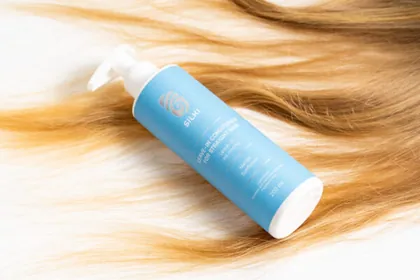
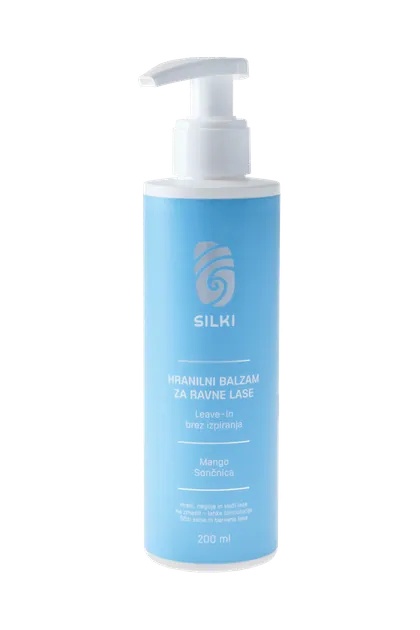
Beyond visual appeal and sustainability, packaging has to be practical to use. Easy dispensing, a secure closure, and comfort in the hand are all factors that shape a consumer's decision. Think about the ergonomics of the pack, particularly for products a customer reaches for every day. Pumps, roll-on applicators, and sprays can be the more practical answer for certain product types, such as lotions or fragrances.
Personalising the packaging
Once you have settled on the right type of packaging, do not overlook what can be personalised. Your packaging is your opportunity to tell the story of your brand through it. Use colours, textures, and shapes that align with your brand's identity. The right packaging can make your product stand out on the shelf and keep it recognisable.
Personalisation can begin with the shape of the pack itself, which brings real distinctiveness, recognition, and a greater sense of luxury about the product. It also means, of course, a higher purchase price. Alternatively, we can choose one of the standard stock pack formats, and concentrate on a distinctive design for the label or the outer carton.
Choosing the right packaging for your cosmetic product is a decision that calls for careful planning. From the product type and your customers' expectations through to environmental impact and practicality, every factor feeds into how your product will be received on the market. Choose the packaging well and you raise the value of your product while contributing to sustainable development.
Remember: in the eyes of the buyer, and largely below the level of conscious thought, the packaging counts for as much as the product inside it. But there is no cause for concern: we will help and advise you through the process, from the first planning stage right through to procurement. We can arrange procurement on your behalf as well, working to your wishes and ideas.
